
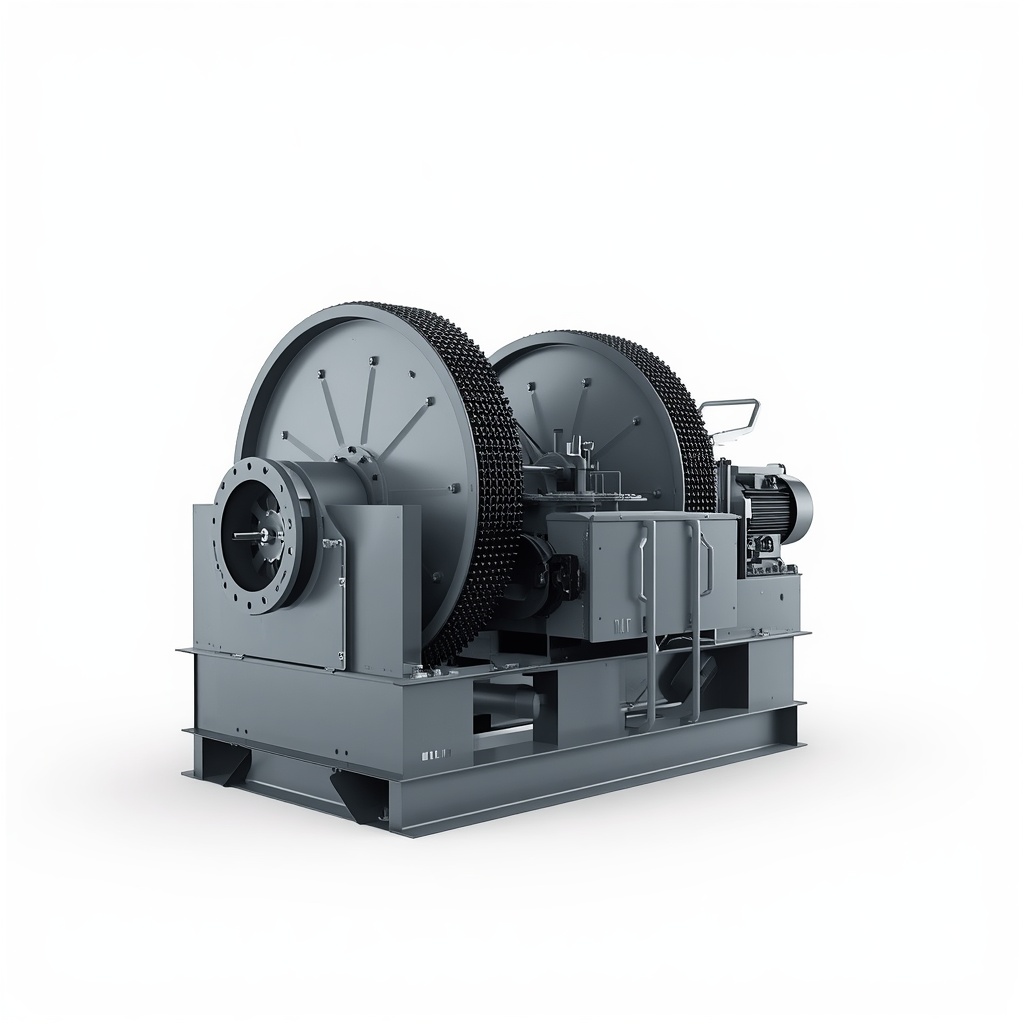

Dual Drum Rock Tumbler — Professional Two-Barrel Lapidary Polishing Machine


$219.00
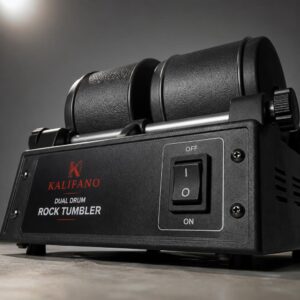
Buy a dual drum rock tumbler and process two completely separate batches of stones simultaneously without cross-contamination between grits or stone types. This professional-grade tumbling unit delivers the rotational consistency and barrel capacity that serious rockhounds, lapidary students, and production polishers demand from a machine built to run continuously across multi-day cycles. Heavy-duty construction, reliable motor performance, and independent drum operation make this the definitive upgrade from single-barrel entry-level machines. Stock at this price is strictly limited. Add this unit to your cart now and start producing cabinet-quality polished stones from your very next rough batch.
Dual Drum Rock Tumbler — Professional Two-Barrel Lapidary Polishing Machine – dual drum rock tumbler for sale
 The Investment Asset and Provenance
A dual drum rock tumbler represents one of the most practical and versatile acquisitions a lapidary enthusiast or small production studio can make, and its value extends well beyond the convenience of running two barrels at once. The ability to tumble hard silicate rough in one drum while simultaneously finishing softer mineral specimens in the second means that a single machine effectively replaces two separate units, reducing both equipment cost and bench footprint without any compromise in output quality. For collectors who work with mixed rough lots, for educators running classroom programs, and for small jewelry studios sourcing their own polished cabochon material, this dual drum rock tumbler delivers a return on investment that compounds with every completed cycle.
The engineering lineage of rotary rock tumblers traces to the industrial vibratory and barrel-finishing equipment used in metalworking and ceramics, where the need for consistent abrasive contact across large batches of components drove manufacturers to refine drum geometry, rotation speed, and load distribution into a science. The professional dual drum configuration available here inherits that industrial heritage and applies it to lapidary use, producing a machine whose barrel rotation rate, load capacity, and drive system reflect genuine engineering intention rather than cost-reduced consumer compromise.
This unit is offered with a transparent condition history and full disclosure of its operational background. Whether purchased as a primary production tool or as a reliable second machine for expanded studio capacity, buyers can expect complete pre-sale information, documented inspection results, and responsive communication throughout the purchase process. The provenance of well-maintained lapidary equipment matters to serious buyers, and that standard of disclosure is maintained without exception in this listing.
Condition Metrics and Machine Specifications
This dual drum rock tumbler has been inspected across all mechanical systems, tested under full dual-barrel load conditions, and evaluated against standard performance benchmarks before being listed for sale. The following specification breakdown covers every primary system so that prospective buyers have the technical detail needed to confirm suitability for their intended application.
Motor: The drive motor is a continuous-duty rated unit designed to sustain extended multi-day tumbling cycles without thermal shutdown or performance degradation. It operates at a stable voltage draw within manufacturer specification and produces smooth torque delivery to both barrels simultaneously without surging, stalling under rated load, or generating abnormal operating noise. Motor bearing condition was assessed and confirmed to be within acceptable service limits.
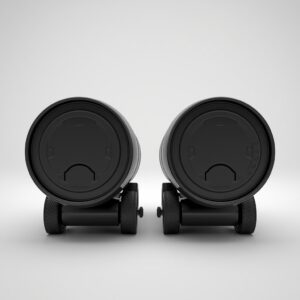
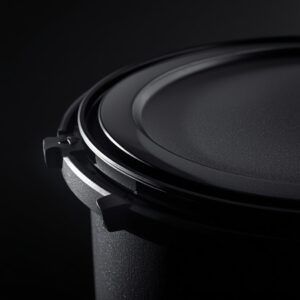
Drum Configuration: The machine features two independent rubber-lined drums operating on a shared drive shaft with individual sealing systems for each barrel. Each drum is evaluated separately for seal integrity, interior lining condition, and lid closure security. Neither drum shows cracking, interior abrasion damage beyond normal service wear, or lid deformation that would compromise a watertight seal during a running cycle. The dual drum rock tumbler configuration allows each barrel to be loaded, sealed, and operated entirely independently of the other.
Drive and Belt System: Power transfer from the motor to the drum axle is accomplished through a reinforced drive belt and pulley system that has been inspected for wear, cracking, and tension. Belt tension was verified and adjusted where needed to ensure consistent rotational speed delivery across both drums without slippage under load. Pulley alignment was confirmed to be within acceptable tolerance.
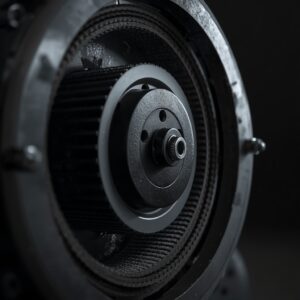
Frame and Construction: The machine base and drum cradle assembly are constructed from powder-coated steel with rubber-cushioned drum contact rollers that reduce vibration transmission to the work surface and extend barrel life by maintaining even contact geometry throughout each rotation. The frame shows no stress fractures, weld failures, or deformation, and all roller axles rotate freely without binding or lateral play.
Shaft Speed: Drum rotation speed has been verified using a calibrated measurement and falls within the recommended range for effective lapidary tumbling, typically between forty and fifty rotations per minute for standard silicate rough processing. This speed range ensures adequate stone-on-stone contact and slurry distribution without producing the impact damage that results from overspeed operation. Speed consistency across an extended run was confirmed to be stable with no measurable drift.
All inspection data is available in written form to any buyer who requests it before purchase, and supplementary photographs of each assessed system are on file and available as supporting documentation.
Secure Vault Logistics and Our Fulfillment Guarantee
Every dual drum rock tumbler sold through this listing departs our facility only after completing a mandatory pre-shipment functional test in which both drums are loaded, sealed, and run simultaneously for a minimum verification period. This test confirms that the motor, drive system, belt, rollers, and both drum seals are performing correctly as an integrated system rather than as individually tested components. Only units that pass this combined system test under dual-load conditions are approved for shipment.
Freight is arranged through a licensed insured carrier with full declared replacement value coverage applied from the moment the unit is collected from our facility. Delivery is completed on a signature-required basis, ensuring that the machine is received and acknowledged by an authorized recipient at the destination address and that a clear chain of custody is established from our bench to yours. Packaging is engineered to absorb the shock and vibration loads typical of ground freight without transmitting damaging force to the machine interior.
In the event that transit damage occurs, our damage claim process is initiated within twenty-four hours of the buyer reporting the issue. We retain all pre-shipment photographs, packaging records, carrier documentation, and inspection files needed to support a complete and successful insurance claim on the buyer’s behalf. Our commitment is straightforward: the machine that passed our pre-shipment test in confirmed working condition is the machine that arrives ready to begin your first tumbling cycle. Buyers looking to expand their lapidary equipment collection are encouraged to browse the full range of tumblers and finishing equipment available at https://lapidaryhub.com/product-category/faceting-machines/ where complementary tools and supplies are listed alongside this unit.
Frequently Asked Questions
What is the total usable capacity of each drum on this dual drum rock tumbler?
Each barrel on this dual drum rock tumbler is designed to be loaded to approximately two-thirds of its interior volume, which is the industry-standard fill ratio for effective rotary tumbling. Overfilling reduces stone-on-stone contact and slurry circulation, while underfilling increases impact force and can cause flat spots or chipping on softer specimens. The exact per-barrel capacity in pounds depends on the specific model variant, and that figure is provided in the full product documentation included with the unit.
Can I run two different grit stages simultaneously in the two drums?
Yes, and this is one of the primary advantages of the dual drum rock tumbler format. Because each barrel operates as a completely sealed and independent system, you can run coarse silicon carbide grit in one drum while the second drum completes a fine pre-polish or polish stage on a separate batch. This eliminates the single greatest inefficiency of one-barrel machines, which is the forced idle time while waiting for one stage to finish before beginning the next.
What types of rough material are suitable for this machine?
This dual drum rock tumbler is appropriate for a wide range of lapidary rough including agate, jasper, petrified wood, obsidian, quartz varieties, and most silicate minerals in the six to seven Mohs hardness range. Softer materials such as calcite, fluorite, and selenite can also be processed but require shorter stage durations and gentler grit progressions to avoid over-abrasion. Very hard materials above eight on the Mohs scale such as corundum and topaz are best reserved for purpose-built vibratory equipment or machines with significantly higher drum capacity.
How long do standard tumbling cycles take with this machine?
A complete four-stage rotary tumbling sequence from coarse grind through final polish typically requires between three and six weeks of continuous operation depending on the hardness of the rough, the initial surface condition of the stones, the quality of the grit media used, and the load weight in each drum. The dual drum configuration does not reduce individual stage duration, but it effectively doubles your throughput by allowing two independent batches to progress through their cycles simultaneously rather than sequentially.
Does this unit require any special electrical supply or outlet configuration?
This dual drum rock tumbler operates on standard household current and does not require any dedicated circuit, special outlet configuration, or voltage converter for use in a standard North American workshop or studio environment. The motor is designed for continuous operation on a standard outlet without tripping breakers under normal rated load. Buyers outside North America should confirm local voltage compatibility before purchase and contact us directly if a step-down converter or voltage verification is needed.
What grit sequence do you recommend for best results with this machine?
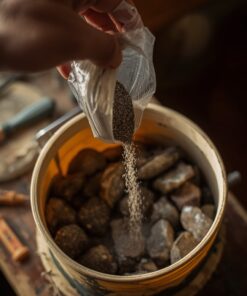
The most widely used and consistently effective grit sequence for rotary tumbling with a dual drum rock tumbler begins with sixty or eighty mesh silicon carbide for the initial shape and surface reduction stage, followed by one hundred twenty or two hundred twenty mesh for scratch refinement, then pre-polish with aluminum oxide or cerium oxide at six hundred mesh or equivalent, and finally a polish stage using cerium oxide, tin oxide, or a dedicated lapidary polish compound appropriate to the mineral type being processed. Each stage should be run until the stones show uniform surface condition before advancing, and thorough cleaning of both the stones and the drum between every stage is essential to prevent grit contamination.
Only logged in customers who have purchased this product may leave a review.
Related products

Reviews
There are no reviews yet.