
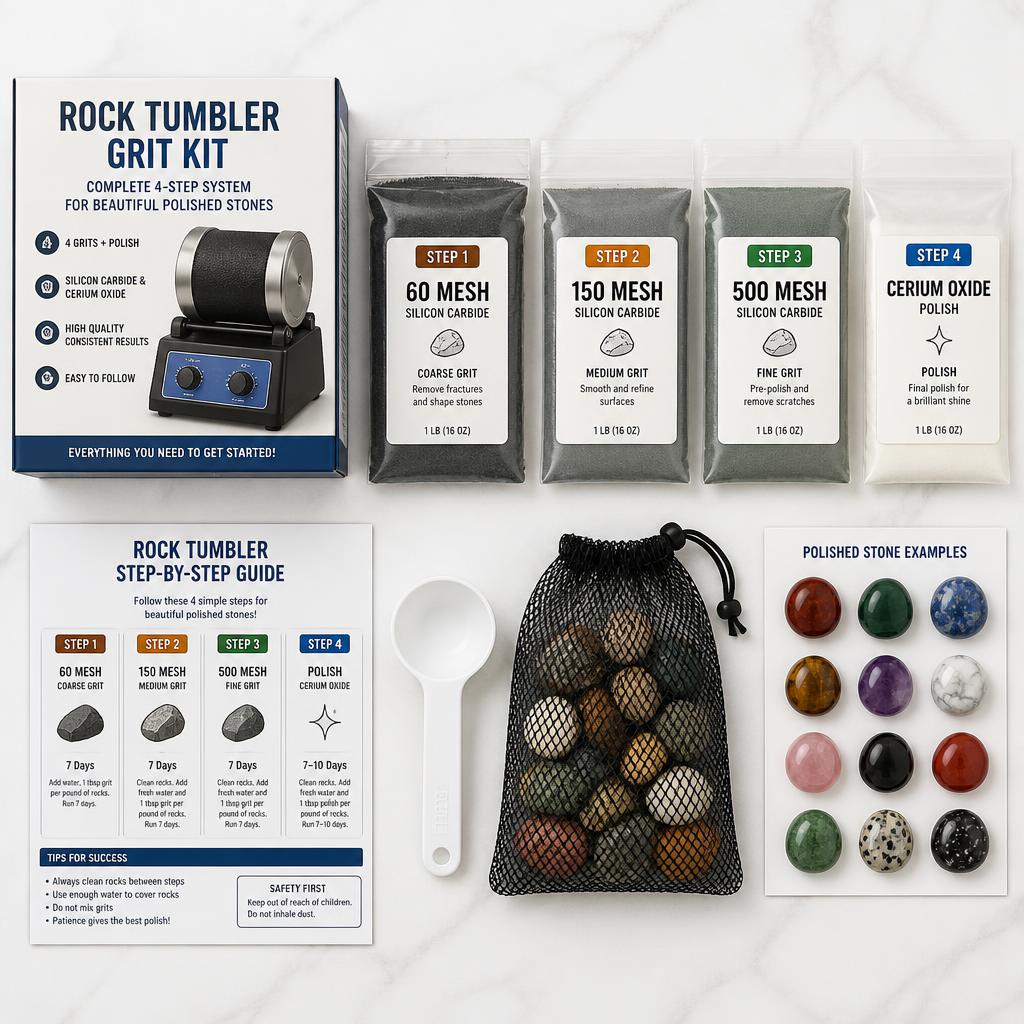
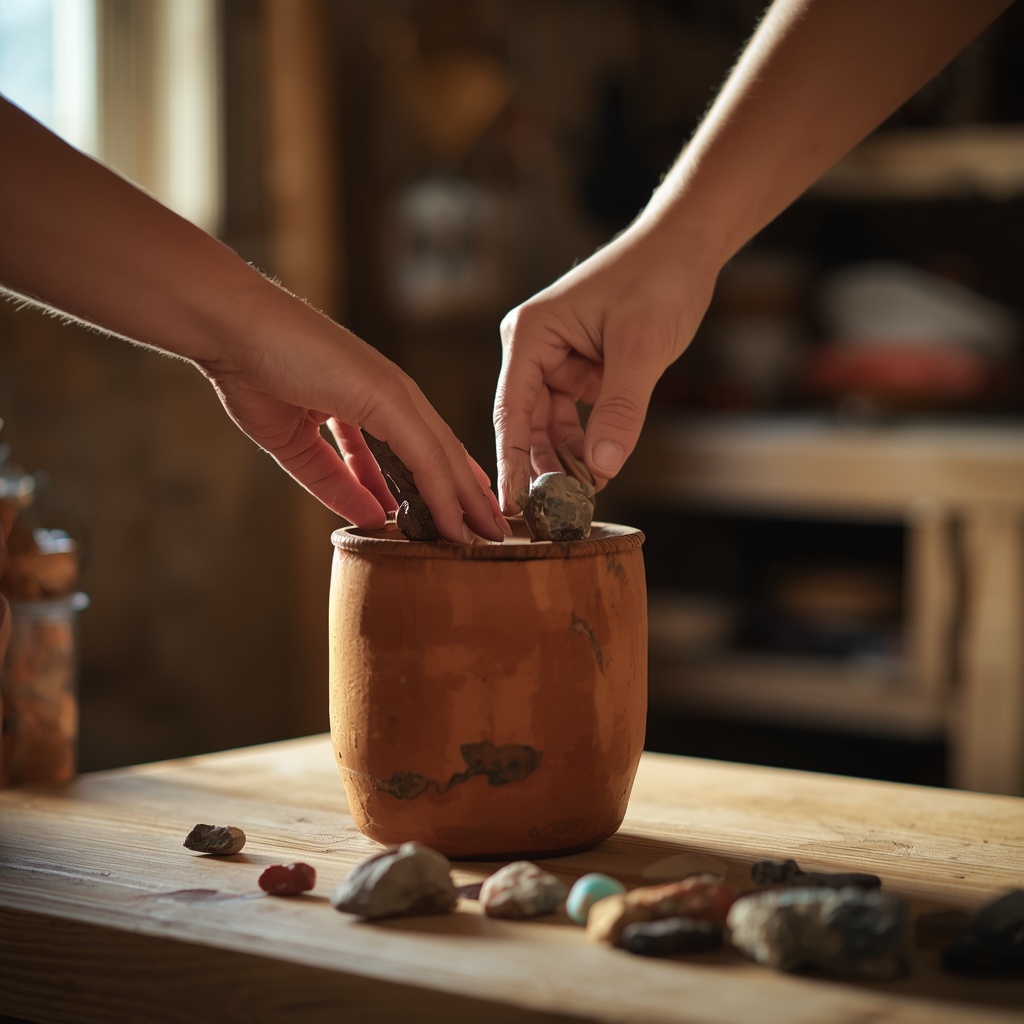


Beginner Rock Tumbler — Easy Entry-Level Lapidary Machine for New Collectors and Hobbyists
$149.00
Buy a beginner rock tumbler and discover the most rewarding entry point into the world of lapidary arts without the complexity or cost of professional cutting equipment. This thoughtfully designed tumbling unit transforms rough, dull stones into brilliantly polished gems using nothing more than abrasive grit, water, and time, making it the perfect first machine for curious hobbyists, young collectors, and gift recipients of all ages. Durable construction, straightforward operation, and satisfying results from the very first batch set this tumbler apart from cheaper imitations. Stock is limited and demand is high. Add yours to the cart right now and start your first tumbling cycle today.
Beginner Rock Tumbler — Easy Entry-Level Lapidary Machine for New Collectors and Hobbyists – beginner rock tumbler for sale
 The Investment Asset and Provenance
A beginner rock tumbler is far more than a toy or a casual pastime accessory. It represents the foundational entry point into an ancient craft that connects the operator directly to the geological history of the earth, one polished stone at a time. The lapidary arts have been practiced in some form for thousands of years, and the rotary tumbler is the most accessible modern expression of that tradition, requiring no prior training, no specialized workspace, and no significant capital outlay to produce results that are genuinely beautiful and personally meaningful.
The machine offered here comes from a recognized manufacturer with an established reputation in the hobby lapidary and educational markets. Its design lineage traces to the rotary tumbling systems that became popular with amateur collectors during the mid-twentieth century mineral and gem collecting boom, and the core mechanical principles that made those early machines reliable have been retained and refined in this current production unit. When you purchase from our store, you are not buying an anonymous import of uncertain origin but a unit with a documented supply chain and a manufacturer that stands behind the product.
Ownership of a beginner rock tumbler also carries forward-looking value that goes beyond the machine itself. Many of today’s most accomplished professional faceters, gemologists, and mineral collectors began their journey with a rotary tumbler exactly like this one. The skills of patience, observation, and material selection that tumbling teaches form the attitudinal foundation of the entire lapidary craft. This machine is therefore not merely a purchase but an investment in a skill set and a hobby that can grow with the owner for a lifetime.
Condition Metrics and Machine Specifications
Every beginner rock tumbler we ship has been inspected against a defined quality checklist before it leaves our facility. New units are verified for barrel integrity, motor function, drive belt condition, and lid seal quality. Refurbished units, when available, undergo the same inspection with additional documentation of any replaced components. The specifications below reflect the standard configuration of the unit currently listed.
Motor: The drive motor is a continuously rated, low-voltage single-phase unit engineered specifically for the long unattended run cycles that rotary tumbling requires. A standard tumbling cycle runs between seven and ten days per grit stage, meaning the motor must operate reliably for hundreds of consecutive hours without thermal failure or bearing degradation. The motor in this unit meets that requirement and has been tested for smooth, quiet operation before shipping.
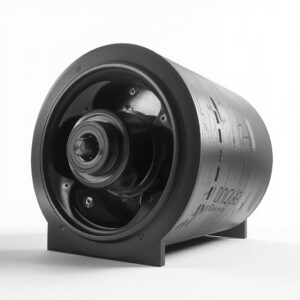
Wheel Configuration: The machine uses a rubber-coated drive roller and idler roller system that cradles the tumbling barrel and transfers rotational energy through friction contact. This configuration eliminates the need for gears or belts in the barrel drive path, reducing maintenance requirements and extending the operational life of the unit significantly compared to gear-driven alternatives at the same price point.
Water System: Rotary tumblers of this type are self-contained wet systems in which the operator loads water, grit, and rough stones directly into the sealed barrel. There is no external water connection required. The barrel lid uses a compression seal system that prevents leakage throughout multi-day run cycles, and the seal material is resistant to the mild chemical environment created by silicon carbide grit slurry during operation.
Frame and Construction: The machine base is constructed from impact-resistant molded polymer over a steel drive shaft assembly, providing a combination of light weight, corrosion resistance, and mechanical stability appropriate for a hobby-grade bench-top instrument. The barrel itself is cast from natural rubber compound, which provides the shock-absorbing interior environment that tumbling stones require for edge rounding and surface refinement without cracking.
Shaft Speed: The drive roller operates at a calibrated rotational speed that translates to a barrel surface speed within the optimal range for lapidary tumbling of standard hardness materials including agate, jasper, quartz, and petrified wood. Running too fast risks fracturing stones rather than rounding them. Running too slow produces inadequate abrasive action and extends cycle times unnecessarily. This unit is factory-set to the correct speed and requires no adjustment from the operator.
beginner rock tumbler for sale-Secure Vault Logistics and Our Fulfillment Guarantee
Shipping a beginner rock tumbler safely requires attention to packaging that protects both the motor housing and the rubber barrel from transit compression and impact damage. Every unit we ship is packed in a double-wall corrugated carton with custom foam inserts that immobilize the machine and its components individually. The barrel, lid, and any included grit pack are packed separately within the same outer carton to prevent abrasive contamination of the motor housing during transit.
All shipments carry declared value insurance through our contracted carrier, and delivery is made on a signature-required basis for orders above our standard threshold value. This protects the buyer from unattended porch delivery losses and gives both parties a confirmed receipt record that supports any carrier claim process if damage occurs. We ship within one business day of payment confirmation in most cases, and tracking information is provided automatically by email at the moment the shipping label is generated.
In the unlikely event that your beginner rock tumbler arrives with transit damage, our damage claim process is initiated within twenty-four hours of your notification to us. We document the claim with the carrier, provide replacement components or a full unit replacement depending on the nature of the damage, and keep you informed throughout the resolution process. Our fulfillment guarantee is simple: you receive a fully functional machine or we make it right at no cost to you.
Buyers ready to expand beyond their first tumbler or looking to pair this machine with quality rough stone material and professional grit sequences are warmly encouraged to browse the complete lapidary equipment and supplies collection at https://lapidaryhub.com/product-category/faceting-machines/ where tumblers, rough stone lots, grit kits, and polishing compounds are listed and ready to ship alongside this unit.
beginner rock tumbler for sale-Frequently Asked Questions
How long does it take to polish rocks in a beginner rock tumbler?
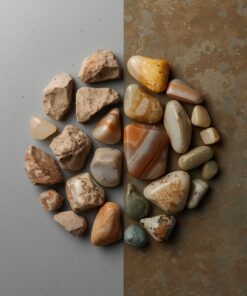
A complete four-stage polish cycle from rough stone to finished polish typically takes between four and six weeks when each grit stage is run for the recommended seven to ten day period. The exact duration depends on the hardness of the stone material being tumbled, the coarseness of the starting rough, and how aggressively the operator wants to remove surface irregularities before advancing to the next grit stage. Harder materials like agate and jasper generally respond well within standard cycle times, while softer stones may reach acceptable results more quickly.
What types of rocks can I tumble in this machine?
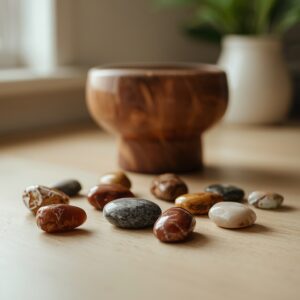
This beginner rock tumbler is well suited for tumbling most common lapidary rough materials in the five to seven range on the Mohs hardness scale. Excellent starting materials include agate, chalcedony, jasper, quartz varieties, petrified wood, and aventurine. Very soft stones below four on the Mohs scale, such as calcite or fluorite, can be tumbled but require shorter cycle times and careful monitoring to prevent over-rounding. Very hard materials above eight, such as corundum or topaz, can be tumbled but may require extended grit stages and more frequent grit changes to achieve results.
What grit sequence should I use for the best results?
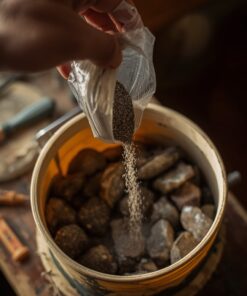
The standard four-stage grit sequence recommended for most beginner rock tumbler operators begins with a coarse sixty to ninety mesh silicon carbide grit to establish the basic shape and remove surface damage, followed by a one-fifty to two-twenty mesh medium grit to refine the surface, then a five-hundred mesh pre-polish grit to smooth the stone to near-gloss condition, and finally a cerium oxide or aluminum oxide polish compound to bring the stone to its final high-gloss finish. Each stage requires a thorough cleaning of both the stones and the barrel before advancing to prevent contamination that can scratch the refined surface.
How many rocks can I tumble at one time?
The optimal barrel load for this beginner rock tumbler is approximately two-thirds to three-quarters full of mixed rough stones. Running the barrel below half full produces insufficient stone-on-stone contact action and results in poor rounding and surface finish. Running it completely full restricts the tumbling motion and can stall the motor under load. A well-balanced load uses a mix of stone sizes to fill gaps between larger pieces and ensure even abrasive distribution throughout the barrel during rotation.
Do I need to add anything to the barrel besides rocks and grit?
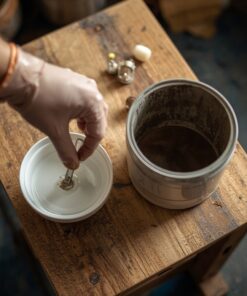
Yes. Each tumbling stage requires the addition of water and the appropriate grit or polishing compound, and most experienced operators also add a small amount of plastic pellet filler when running loads that contain smaller stones or when the barrel charge drops below the recommended fill level after earlier stages have rounded down the rough material. Plastic pellets cushion the stones, improve abrasive distribution, and maintain the barrel fill level without adding material that will interfere with the polishing action. Burnishing agents are sometimes added during the final polish stage to enhance surface gloss on certain stone types.
Only logged in customers who have purchased this product may leave a review.
Related products

Reviews
There are no reviews yet.