
Lapidary Equipment Questions: Our Top 13 Answered
Below are the lapidary equipment questions we’re asked most often — about getting started in lapidary work, choosing equipment, and ordering from Lapidary Hub. Can’t find your answer here? Visit our Contact Us page.
Getting started in lapidary
These first lapidary equipment questions cover the basics most beginners ask before buying their first machine.
What equipment do I need to start lapidary work?
A basic beginner setup typically includes a rock tumbler (for simple polishing) or a trim saw, grinding wheel, and polishing disc (for cabochon cutting). Most hobbyists also need a few grit stages, safety glasses, and a dust mask. If you’re not sure where to start, tumbling is the simplest and most affordable entry point — see our tumbler range, then add a trim saw and cabbing machine as your skills grow.
What’s the difference between a rotary tumbler and a vibratory tumbler?
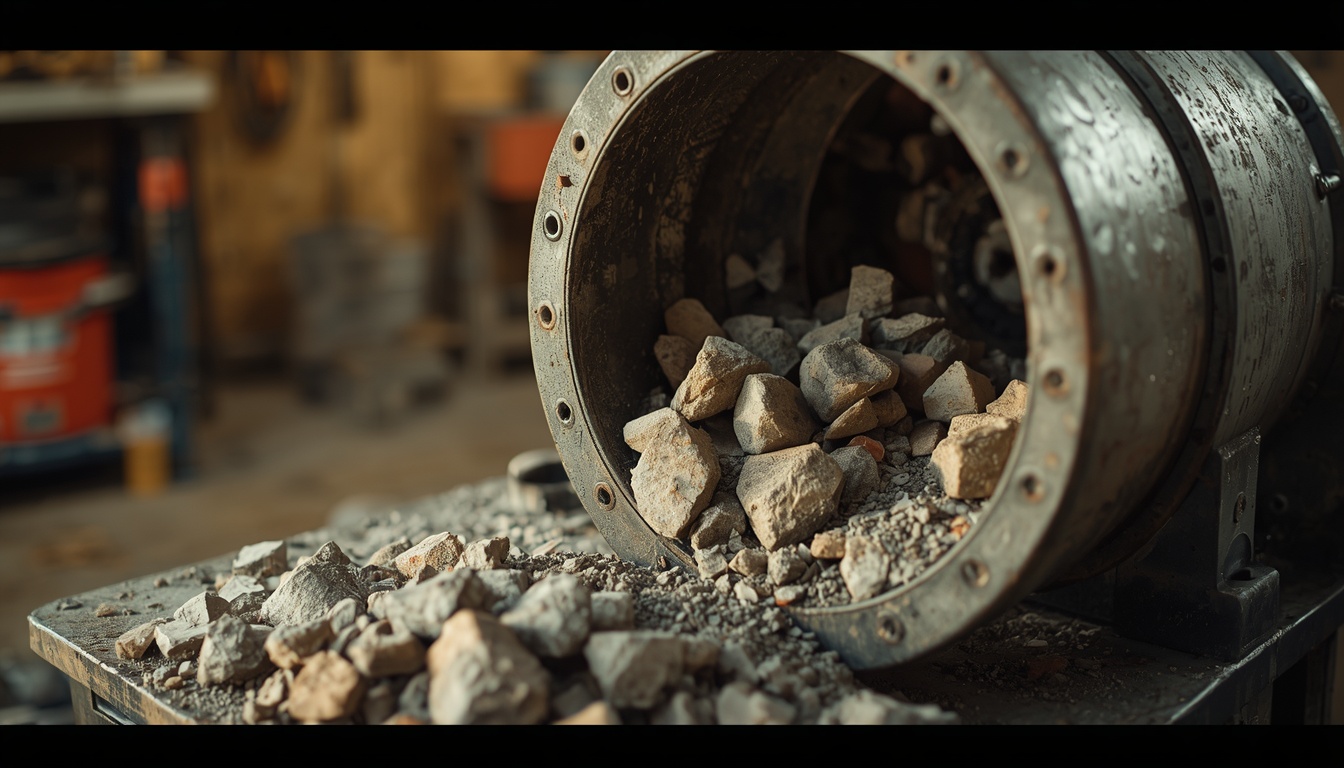
Rotary tumblers rotate a barrel slowly, rolling stones against grit and each other — they’re better at shaping rough, jagged stones and are the standard starting point for beginners. Vibratory tumblers vibrate rather than rotate, which polishes faster but does less actual shaping. Most beginners start with a rotary tumbler and add a vibratory unit later if they want a faster final polish stage.
What grit do I use to polish a rock, and in what order?
Grit progression typically runs from coarse to fine: roughly 60–80 grit for initial shaping, 120–220 grit for refining the shape, 400–600 grit for pre-polish smoothing, and 1200+ grit (or a polishing compound) for the final mirror finish. Each stage removes the scratches left by the one before it — skipping a stage usually means redoing work, not saving time.
Can I use a Dremel for lapidary work instead of a cabbing machine?
Yes, for small-scale or detail work. A Dremel with diamond bits is a genuinely practical, low-cost way to try shaping and grinding before investing in a dedicated cabbing machine. It won’t replace a cabbing machine for volume work or larger cabochons, but it’s a reasonable way to learn the basics first.
Why did my stone crack or fracture while grinding?
The most common causes are overheating from insufficient water cooling, pre-existing internal fractures in the stone you didn’t know about, or too much pressure against the wheel. Some minerals are also more prone to splitting along natural cleavage planes, regardless of technique — see the Mineralogical Society of America’s guide to mineral hardness for background on why different stones behave differently under pressure. Lapidary grinding machines need a constant water supply to stop heat building up — without it, even a sound stone can fracture from thermal stress.
Do I need water cooling for a lapidary grinder?
Yes. Water cooling isn’t optional — it prevents the heat generated by grinding from causing micro-fractures inside the stone, and it also keeps dust down. Most grinding and cabbing machines include a built-in water drip or reservoir for exactly this reason.
How long does rock tumbling take to polish a stone?
A full tumbling cycle — from rough stone to polished finish — typically takes several weeks, run in stages with progressively finer grit. Each grit stage usually runs 5–7 days. It’s a slow process by design; rushing a stage by shortening tumbling time is one of the most common reasons beginners end up with a dull, unpolished result.
What are the best beginner stones for tumbling or cabbing in Australia?
Tougher, more forgiving stones like agate and jasper are well suited to beginners, since they tumble and cab predictably and are widely available. Stones with strong natural cleavage planes (such as fluorite or calcite) are best avoided until you’re confident with grit progression and pressure control, since they’re more prone to splitting unexpectedly.
Orders, shipping, and returns
This second set of lapidary equipment questions covers ordering, delivery, and what happens after your purchase arrives.
How long does delivery take after I order from Lapidary Hub?
Delivery timeframes depend on whether you choose regular or express shipping — full details, including current timeframes, are on our Shipping Policy page. We ship within Australia only.
Can I return lapidary equipment if it’s not right for my setup?
Yes. We offer a 30-day return window with free return shipping, including change-of-mind returns on most unused items in original packaging. Full details are on our Returns & Refunds Policy page.
What happens if my equipment arrives faulty or damaged?
Contact us straight away at sales@lapidaryhub.com with your order number and a description of the issue. Faulty or damaged items are handled under your consumer guarantees, separately from our standard change-of-mind return window — see our Returns & Refunds Policy for details.
Does Lapidary Hub ship internationally?
Not currently — we ship within Australia only. If that changes, we’ll update our Shipping Policy page with new destinations and rates.
How do I contact Lapidary Hub with a question?
Email sales@lapidaryhub.com, or visit our Contact Us page for full details and a contact form.
Still have lapidary equipment questions?
This page covers the questions we hear most often, but lapidary work has a lot of nuance — the right answer can depend on the specific stone, machine, or technique you’re using. If your situation doesn’t quite match what’s covered here, get in touch via our Contact Us page and we’ll answer it directly rather than leaving you to guess.