
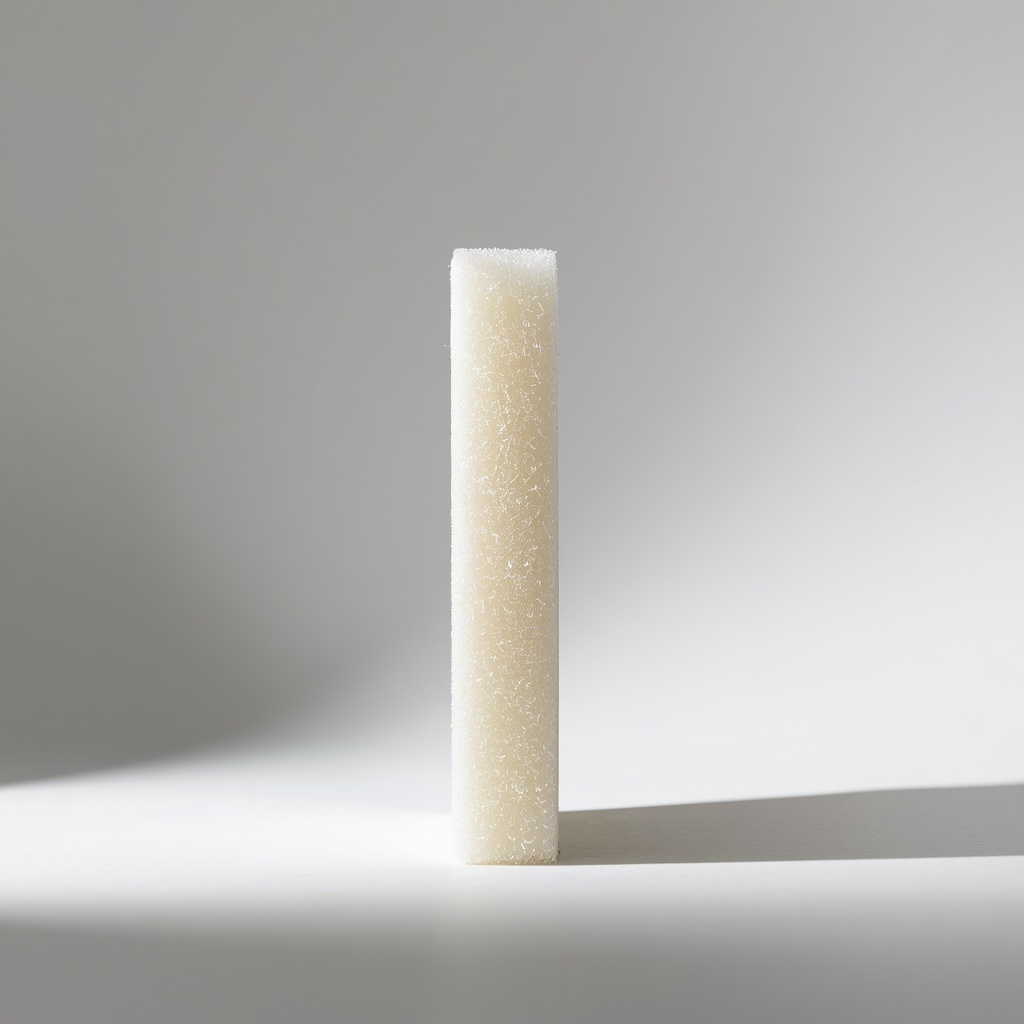
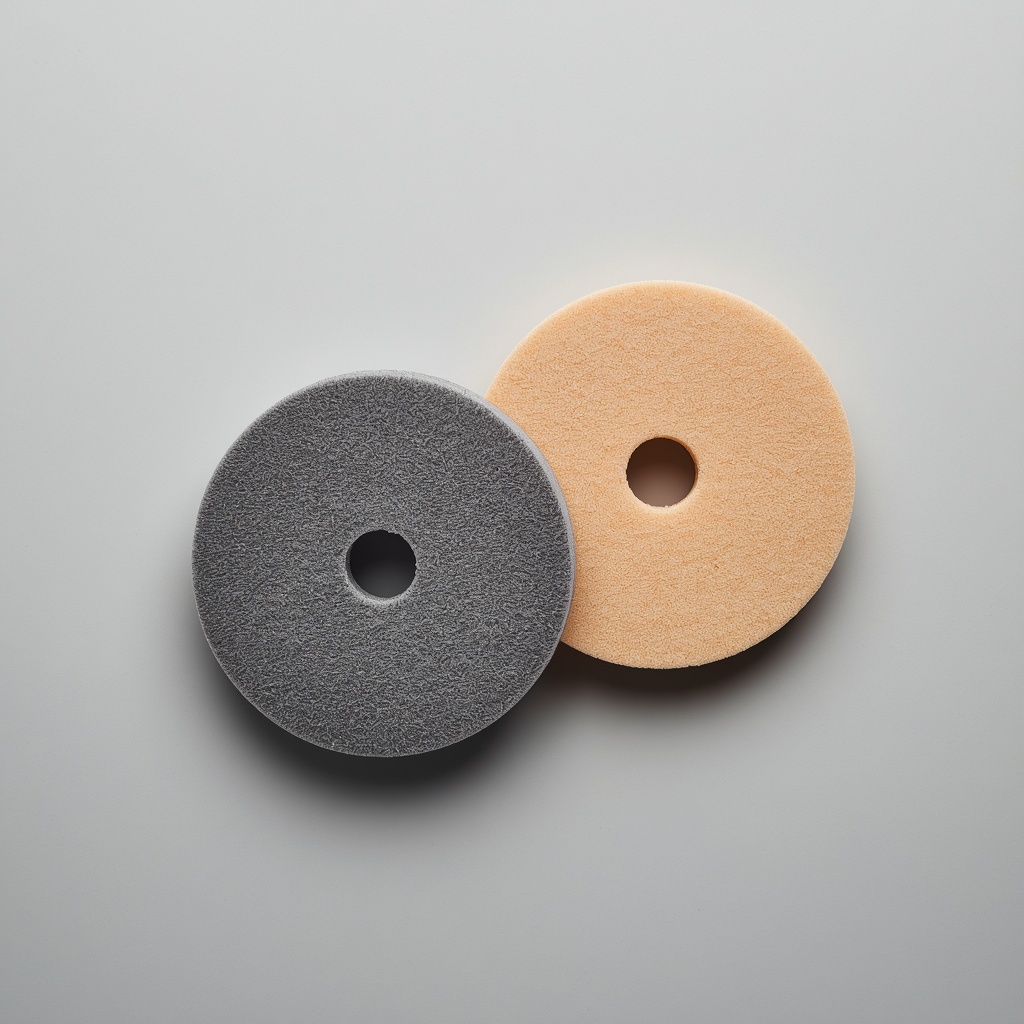

Lapidary Polishing Felt Pads — Professional Felt Polishing Pads for Faceting Machines and Flat Lap Units
$12.95
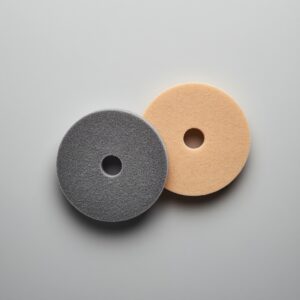
Buy lapidary polishing felt pads and transform the final stage of every gemstone, cabochon, and faceted stone you cut into a flawless, light-capturing mirror surface that separates professional work from amateur results. These high-density, precision-cut polishing felt pads are engineered for consistent compound retention, uniform surface pressure, and extended service life across all standard lapidary polishing machines and faceting lap arbors. Compatible with cerium oxide, tin oxide, alumina, and diamond polishing compounds, each pad arrives flat, clean, and ready to load. Quantities are limited at this grade. Add to cart now and finish every stone to its absolute best.
Lapidary Polishing Felt Pads — Professional Felt Polishing Pads for Faceting Machines and Flat Lap Units – lapidary polishing felt pads
 The Investment Asset and Provenance
Lapidary polishing felt pads occupy a position in the gem-cutting workflow that is small in physical size but enormous in consequence. Every hour invested in grinding, sanding, and preforming a gemstone leads to a single defining moment at the polishing lap, and the quality of that moment is determined almost entirely by the pad beneath the stone. Serious lapidaries who have spent years refining their technique understand that lapidary polishing felt pads are not interchangeable commodities — they are precision consumables that either reward careful work with a flawless surface or undo it with streaks, scratches, and uneven luster.
The pads available in this listing are sourced from industrial textile manufacturers who serve the optical grinding, precision metalworking, and professional lapidary industries. Every batch originates from a consistent, traceable supply chain that holds fiber density, thickness tolerance, and surface uniformity to specifications that exceed what general-purpose craft felt can offer. When a lapidary studio builds its workflow around a reliable supply of lapidary polishing felt pads from a consistent source, the result is predictable polish rates, repeatable results across different stone species, and the elimination of the session-to-session variability that plagues studios purchasing from inconsistent distributors.
The history of professional lapidary polishing consumables runs parallel to the history of precision optical manufacturing, and the same demands that drove optical lens polishers to develop controlled-density felt substrates in the mid-twentieth century are the demands that govern the production of these pads today. Fiber orientation, compression density, and surface uniformity were solved problems in industrial optics long before they became standard expectations in lapidary supply, and the pads offered here benefit directly from that industrial heritage. Choosing lapidary polishing felt pads from this lineage means choosing a consumable with a documented performance standard behind it rather than a price-driven substitute.
Condition Metrics and Material Specifications
Every pad in this listing arrives in new, unused condition, stored flat in sealed packaging that prevents moisture infiltration, fiber compression, and surface contamination from the point of production through to delivery at your studio. Each pad undergoes a visual and dimensional inspection before shipment to confirm edge cleanliness, surface uniformity, center hole accuracy, and overall thickness consistency across the full working diameter.
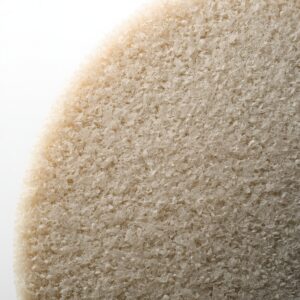
Material Composition: The pad body is manufactured from compressed wool fiber or high-density industrial synthetic felt depending on the variant, with fiber density calibrated specifically for rotary lapidary polishing applications. The material contains no chemical binders, bleaching agents, or fiber-release coatings that could contaminate polishing sessions or leave foreign residue on finished gemstone surfaces. These lapidary polishing felt pads are produced for professional use and meet the contamination-free standards that gemological and optical finishing applications require.
Pad Dimensions and Compatibility: Each lapidary polishing felt pad is precision-cut to fit standard six-inch and eight-inch lap arbors used across the full range of professional faceting machines and flat lap polishing units. The center arbor hole is machine-punched to exact dimensional tolerances, ensuring accurate centering on the spindle without runout-inducing offset that would compromise facet-junction sharpness during the final polish pass.
Surface Characteristics: The working face presents a uniform fiber texture with consistent density across the entire polishing diameter. This surface consistency is the most critical performance variable in lapidary polishing felt pads because differential fiber density creates uneven compound loading, which in turn produces the streaked, patchy polish surface that frustrates even skilled operators working with correct technique and appropriate compounds.
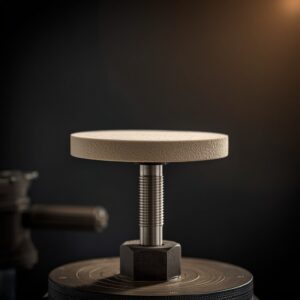
Thickness and Compression Behavior: Each pad is produced to a standardized thickness specification that balances the cushion necessary for oxide compound polishing with the firmness required to maintain facet geometry through the final polish pass. Pads that are too soft allow facet edges to round under pressure, destroying the crisp facet junctions that define a well-cut stone. The density specification of these lapidary polishing felt pads is deliberately selected to prevent that failure mode while remaining forgiving enough for cabochon dome finishing where slight surface compliance is beneficial.
Compound Compatibility: These lapidary polishing felt pads have been evaluated across the full range of standard lapidary polishing compounds including cerium oxide for quartz and feldspar family stones, tin oxide for medium-hardness materials, alumina for softer substrates, and diamond powder formulations for corundum, chrysoberyl, and other Mohs eight-plus materials. The pad surface accepts each compound type without excessive migration, fiber contamination, or compound clumping during extended polishing sessions, and between-compound cleaning is accomplished with a simple water rinse and flat drying.
Secure Vault Logistics and Our Fulfillment Guarantee
Protecting the flat geometry of lapidary polishing felt pads during transit is the central priority of our packaging process, because a pad that arrives bent, compressed unevenly, or moisture-damaged is unusable regardless of its material quality. Every order is packed flat between rigid fiberboard panels sealed inside a moisture-resistant outer envelope sized to eliminate movement within the package during carrier handling. No pad in any order we ship is rolled, folded, stacked under pressure, or packaged in a format that risks permanent deformation of its working face.
All shipments carry full insured declared value from the moment they leave our facility, and delivery confirmation is obtained through carrier signature or photographic proof of delivery according to the service level selected at checkout. Before any order is sealed, our pre-shipment quality check verifies pad count, condition, packaging integrity, and correct labeling against the order details, ensuring that every package dispatched matches the order placed without substitution, shortfall, or error.
If transit damage occurs despite our protective packaging standards, our damage claim process is initiated on your behalf within twenty-four hours of notification. We retain packing photographs, shipment records, and carrier documentation for every order and use that retained evidence to support your claim or replacement request through to resolution. Our commitment to buyers of lapidary polishing felt pads is the same commitment we extend across every product category we carry: what leaves our facility in verified perfect condition is what we work to ensure arrives at your bench ready to use.
Buyers building a complete polishing station are encouraged to explore the full range of lapidary supplies, polishing compounds, and compatible equipment available at https://lapidaryhub.com/product-category/faceting-machines/ where these lapidary polishing felt pads are listed alongside everything else your studio needs to take a rough stone to a finished gem.
lapidary polishing felt pads-Frequently Asked Questions
What types of gemstones are these lapidary polishing felt pads suitable for?
These lapidary polishing felt pads are suitable for polishing virtually every gemstone material encountered in professional and hobbyist lapidary work. Soft ornamental stones from Mohs four through five such as fluorite, rhodonite, and calcite respond well when the pad is loaded with a fine alumina or tin oxide compound. Mid-range stones from Mohs six through seven including labradorite, tourmaline, and amethyst polish effectively with cerium oxide or tin oxide on these pads. Hard stones at Mohs eight and above including topaz, sapphire, ruby, and alexandrite require diamond polishing compound on the pad surface, and these lapidary polishing felt pads are fully compatible with all standard diamond powder and diamond slurry formulations used for corundum and chrysoberyl polishing.
How do I correctly load polishing compound onto these lapidary polishing felt pads?
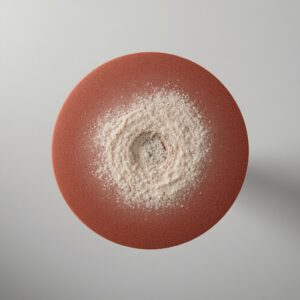
Begin with the machine running at its lowest speed setting and apply a small measured amount of your chosen compound to the center of the rotating lapidary polishing felt pad. Allow the machine to distribute the compound outward by centrifugal action for approximately fifteen to twenty seconds before increasing to your working speed and bringing the stone into contact. This center-load distribution method prevents the compound from concentrating in one zone of the pad and ensures that the full working surface is evenly charged before polishing begins. Overloading with compound is a common beginner error that causes compound migration, streaking, and waste rather than improving polish rate or quality.
Can I use a single pad for more than one polishing compound?
Dedicating one pad per compound type is strongly recommended and is standard practice in professional lapidary studios. Cross-contamination between compound types, particularly between coarser diamond formulations and fine oxide compounds, produces unpredictable surface behavior that can introduce scratches during what should be a final polishing pass. Mark each lapidary polishing felt pad on its reverse face with a permanent marker indicating its assigned compound and store pads separately to prevent contact between different compound-charged surfaces. The cost of maintaining a dedicated pad per compound is minimal compared to the time cost of reworking a stone damaged by compound contamination.
How long will these lapidary polishing felt pads last under regular studio use?
Service life varies with session duration, machine speed, stone hardness, and compound type, but in a typical studio environment these lapidary polishing felt pads deliver between fifteen and thirty full polishing sessions before measurable degradation of surface texture or compound retention becomes apparent. Rinsing the pad with clean water and drying it flat after every session is the single most effective maintenance action available because it prevents compound hardening, fiber matting, and surface glazing that shorten pad life. Pads used exclusively with diamond compound at high speeds on hard corundum material will experience faster surface wear than pads used with oxide compounds on softer stones.
Are these pads compatible with both faceting machines and flat lap polishing units?
Yes. These lapidary polishing felt pads are dimensionally produced to the industry-standard measurements governing both professional faceting machine lap arbors and the flat lap spindle systems used for cabochon and slab polishing. The precision-punched center hole and outer diameter comply with the six-inch and eight-inch standards used across all major lapidary machine manufacturers, so a single supply of these pads serves your full studio setup without requiring separate consumable orders for different machine types.
How should I store unused lapidary polishing felt pads between sessions?
Store unused and between-session lapidary polishing felt pads flat in a clean, dry location away from direct sunlight, chemical vapors, and temperature extremes. Stacking more than four to five pads without rigid board separators risks compression deformation of the lower pads over time. Pads that have been used and rinsed should be dried completely in a flat position before storage to prevent mold growth within the fiber structure. Avoid storing charged pads face-to-face, as compound transfer between adjacent pad surfaces will contaminate both pads and require thorough cleaning before either can be used reliably again.
What is the correct machine speed to use with these lapidary polishing felt pads?
These lapidary polishing felt pads perform across a practical operating range of approximately one hundred to three hundred revolutions per minute depending on pad diameter, stone type, and compound being used. Larger diameter pads develop higher surface speed at a given shaft rpm, so an eight-inch pad should generally be run at a lower shaft speed than a six-inch pad to achieve equivalent surface feet per minute at the working zone. For oxide compounds on quartz-family and feldspar-family materials, a moderate speed of one hundred fifty to two hundred revolutions per minute produces consistent results. For diamond compound on corundum, slightly higher speeds improve compound action but require attentive pressure control to prevent heat buildup at the stone surface.
Only logged in customers who have purchased this product may leave a review.
Related products
Polishing Supplies
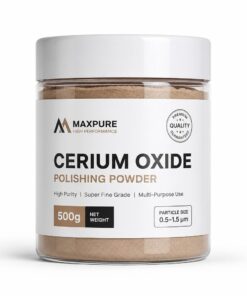
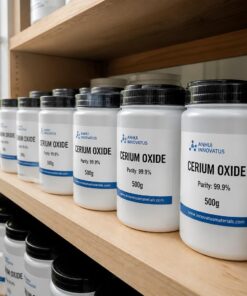
Cerium Oxide 100g — High-Purity Lapidary Polishing Powder for Gemstones and Glass
Polishing Supplies
Polishing Supplies
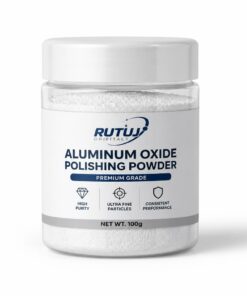
Aluminum Oxide Powder 100g — High-Purity Lapidary Abrasive and Pre-Polish Compound
Opal Cutting Tools
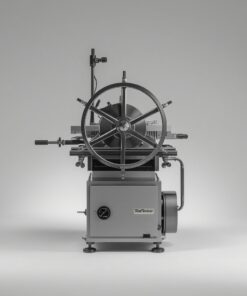
Professional Opal Cutting Machine for Cabochon and Freeform Stone Shaping
Reviews
There are no reviews yet.