
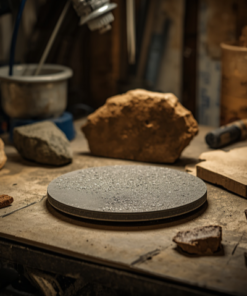
 8 Inch 120 Grit Diamond Flat Lap Disc for Lapidary
 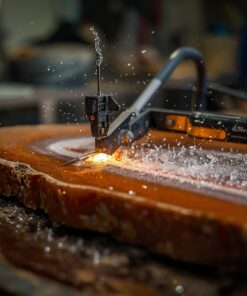 10 Inch Diamond Saw Blade — Continuous Rim Lapidary Slab Saw Blade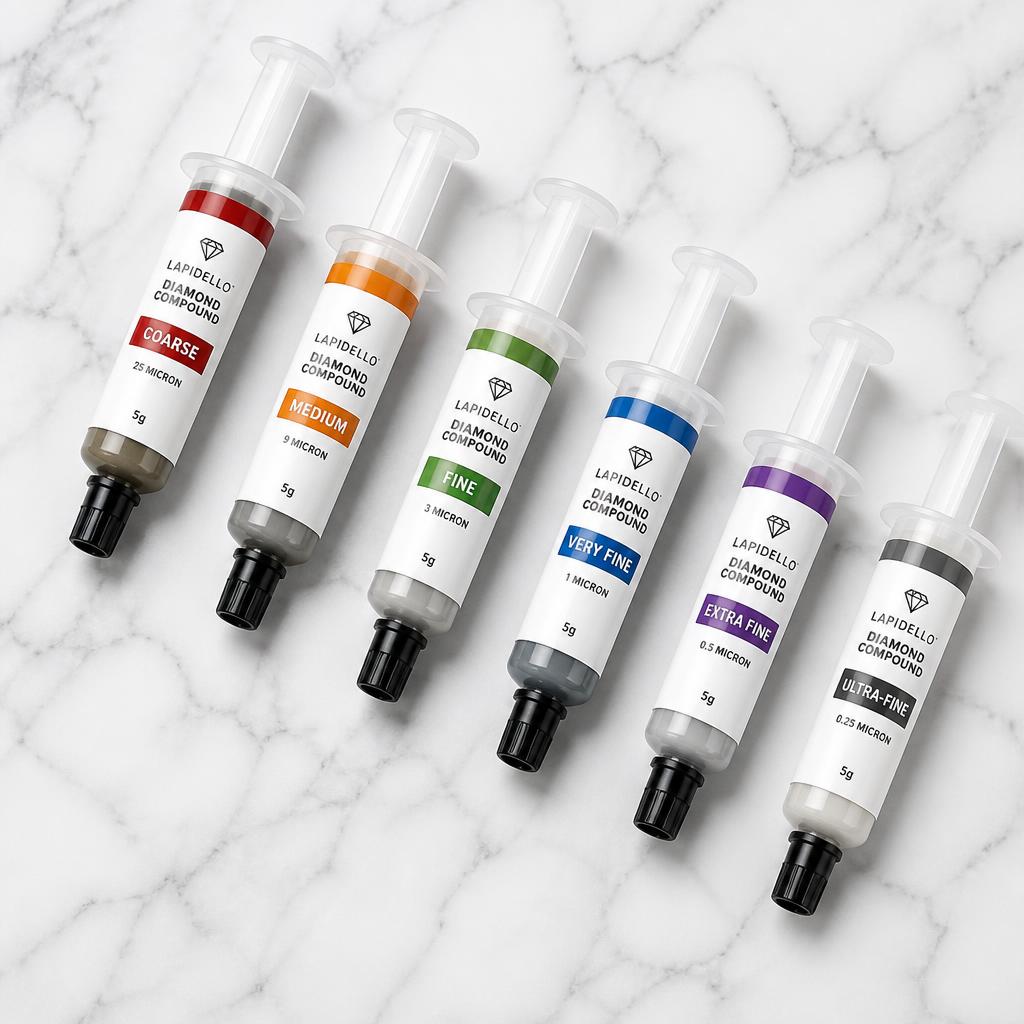
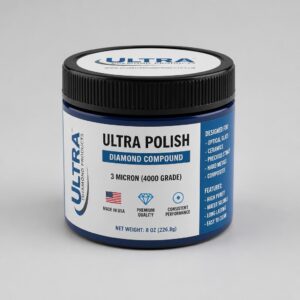
Diamond Compound for Lapidary Polishing — Professional Grade Abrasive for Gemstone and Hardstone Finishing
$16.95
Buy diamond compound and experience the finishing power that professional lapidaries, jewelers, and gem cutters rely on for mirror-bright polishes on the most demanding stone surfaces. This premium-grade diamond compound delivers precisely sized diamond particles suspended in a smooth, consistent carrier that adheres to laps, leather, wood, and composite surfaces with equal effectiveness. Whether you are working hardstones, optical glass, or exotic gem materials, this compound produces results that lesser abrasives simply cannot achieve. Stock at this price and grade is limited. Add yours to the cart now and finish your next project to exhibition standard.
Diamond Compound for Lapidary Polishing — Professional Grade Abrasive for Gemstone and Hardstone Finishing – buy diamond compound for lapidary polishing
 The Investment Asset and Provenance
Diamond compound occupies an essential and irreplaceable position in the professional lapidary toolkit because no other polishing medium combines cutting speed, particle consistency, and surface versatility in the same way. When you buy diamond compound at the professional grade, you are not simply purchasing an abrasive — you are acquiring a material engineered to exacting particle size tolerances, tested for carrier viscosity and suspension stability, and produced under quality controls that ensure every syringe or jar performs identically to the last. That consistency is what separates professional results from amateur outcomes, and it is what this product delivers in every application.
The history of diamond compound as a precision abrasive reaches back to the optical and toolmaking industries of the mid-twentieth century, where the demand for sub-micron surface finishes on lenses, dies, and gauges drove the development of graded diamond pastes that could be applied in controlled quantities to specific substrate types. The lapidary and gemological communities adopted these compounds as the finishing standard for faceted stones and cabochons, and decades of refinement have produced the formulations available today that work reliably across an extraordinary range of gem materials and working surfaces.
The compound offered here is sourced from a recognized manufacturer operating within the professional abrasives industry and carries full traceability through its supply chain. Buyers who invest in quality polishing consumables understand that the provenance of an abrasive material matters because counterfeit and diluted compounds are a documented problem in this category. Every unit sold through this listing comes from authenticated stock, and the grade and particle sizing represented in the product description accurately reflect the contents of the container you will receive.
Condition Metrics and Product Specifications
This diamond compound has been stored under ideal conditions — away from direct light, temperature extremes, and contamination sources — ensuring that the carrier medium retains its designed viscosity and that the diamond particles remain in uniform suspension throughout the container. The following specification breakdown covers every performance-relevant parameter buyers should evaluate before selecting a polishing compound for professional use.
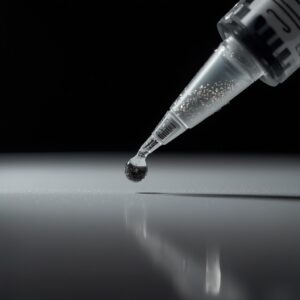
Particle Grade and Sizing: The diamond particles in this compound are monocrystalline and sized to a tight mesh specification that determines the scratch depth and final surface finish achievable on your workpiece. The grit designation accurately corresponds to the average particle diameter in microns, and the particle distribution curve is narrow enough to prevent coarse outliers from introducing unwanted scratches during final polishing stages. Buyers should select the coarsest grade needed to remove the previous scratch pattern and finish with the finest grade appropriate for their target surface quality.
Carrier Medium: The compound is formulated in a water-soluble polymer carrier that maintains even diamond suspension during storage and spreads smoothly and thinly under lap pressure. The carrier does not dry out or harden on the lap surface during normal working sessions, and it cleans completely from both the workpiece and the lap with water, eliminating the solvent exposure associated with oil-based compound systems. The viscosity is balanced to avoid migration beyond the working area while still providing adequate lubrication between the workpiece and the lap surface.
Concentration and Yield: The diamond concentration by weight in this compound is formulated to deliver professional cutting action from a very small applied quantity. A correctly applied charge of this compound — meaning a thin, even spread across the lap surface — will remain effective through multiple stones before requiring recharging, making the per-stone cost of professional diamond compound significantly lower than the unit price suggests. Overloading the lap surface with compound is one of the most common application errors and will reduce rather than improve polishing performance.
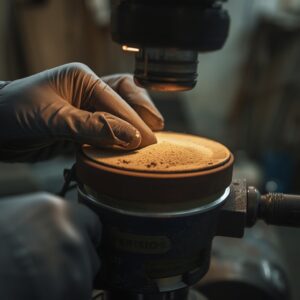
Substrate Compatibility: This compound performs effectively on tin laps, lead laps, copper laps, ceramic laps, leather strops, wooden laps, and composite polymer lap surfaces. It is not recommended for use on oxide-charged laps where cross-contamination would compromise the oxide polishing action. Each substrate type interacts differently with the carrier, and buyers working on a new substrate type for the first time are encouraged to run a test piece before committing their primary workpiece to the new combination.
Temperature and Storage Stability: The compound maintains full performance when stored between five and thirty degrees Celsius. Exposure to freezing temperatures may temporarily alter carrier consistency, but gentle warming to room temperature restores the compound to working condition without permanent degradation. The shelf life of an unopened container stored correctly exceeds three years, and an opened container properly resealed after each use retains full effectiveness for a minimum of eighteen months.
buy diamond compound for lapidary polishing-Secure Vault Logistics and Our Fulfillment Guarantee
Every order for this diamond compound is packed with the same attention to detail that we apply to our large equipment shipments, because a polishing compound that arrives contaminated, leaked, or temperature-damaged is worthless regardless of its original quality. Containers are sealed, wrapped individually, and packed within a rigid outer carton with sufficient cushioning to survive standard parcel carrier handling without compromise to the container integrity or the compound inside.
All shipments leave our facility with full insured value coverage applied, and delivery is completed on a signature-required basis for orders above a defined threshold to ensure that your purchase reaches an authorized recipient and does not sit unattended in weather conditions that could affect the compound. Our pre-shipment verification process includes a visual and tactile inspection of each container for seal integrity, correct labeling, and absence of visible damage before the unit is added to your outgoing order.
In the rare event that damage occurs during transit, our documented damage claim process begins within twenty-four hours of your notification to us. We retain all shipment photography, carrier documentation, and packing records necessary to support a successful insurance claim on your behalf, and we work directly with the carrier to resolve the matter without placing that administrative burden on you. Our fulfillment commitment is straightforward — the compound that leaves our facility in perfect condition is the compound that arrives at your studio ready to produce the mirror finish your work deserves.
Buyers looking to complete their polishing system with compatible laps, pre-polish compounds, or full diamond compound sets across multiple grits are encouraged to explore the complete collection available at https://lapidaryhub.com/product-category/faceting-machines/ where all consumables and equipment are listed together for convenient one-order shopping.
buy diamond compound for lapidary polishing-Frequently Asked Questions
What grit of diamond compound should I start with for faceted gemstones?
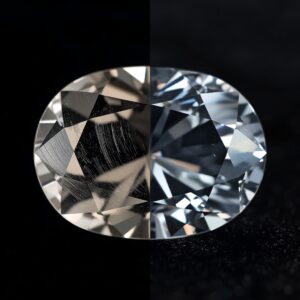
The correct starting grit depends entirely on the scratch pattern left by your last cutting lap. As a general principle, you should begin with the coarsest diamond compound grade needed to remove those scratches in a reasonable working time, then step down through intermediate grades before finishing with your finest polish grade. Most professional faceters working on quartz-family stones move through a sequence ending between fifty thousand and one hundred thousand mesh for a true mirror finish. Harder stones like corundum and chrysoberyl may require the full sequence from a coarser starting point to achieve the same result.
Can I use diamond compound on all types of gemstones?
Diamond compound is effective on virtually all natural and synthetic gem materials because diamond is the hardest known substance and will cut any gem mineral regardless of its Mohs hardness rating. The variables that change between gem materials are the lap type you pair with the compound, the pressure you apply, and the speed at which you run the lap. Softer stones require lighter pressure and slower speeds to avoid undercutting facet edges, while harder stones like sapphire and ruby benefit from firmer pressure on a hard lap substrate to maintain cutting efficiency.
How much diamond compound should I apply to the lap?
The most common mistake made by lapidary students and experienced hobbyists alike when they buy diamond compound for the first time is applying far too much. A professional charge for a six-inch to eight-inch lap is a small amount — roughly equivalent to a grain of rice spread as thinly and evenly as possible across the working surface. Excess compound rolls off the workpiece, migrates beyond the lap edge, and actually reduces polishing performance by creating a slippery cushion between the diamond particles and the stone surface. Apply less than you think you need, work the charge until it is nearly exhausted, then recharge sparingly.
How do I clean diamond compound from my lap between grit changes?
Because this compound uses a water-soluble polymer carrier, cleaning between grit changes requires only water and a clean cloth or paper towel. Wipe the lap surface thoroughly, rinse with fresh water, and wipe again until no visible compound residue remains. Allow the lap to dry completely before applying the next grade of compound or a different polishing medium. Contamination between grit grades is the primary cause of unexpected scratches during polishing, and thorough cleaning between each stage is a non-negotiable discipline in professional polishing practice.
Is diamond compound safe to use without protective equipment?
Diamond compound in its paste or liquid form is not classified as a hazardous substance under standard laboratory and workshop safety guidelines, but sensible protective practices are always appropriate when working with any fine abrasive material. Safety glasses protect your eyes from compound splatter during high-speed lap use. Nitrile gloves prevent prolonged skin contact with the carrier medium and keep your skin oils from contaminating the lap surface and the compound charge. Work in a ventilated space whenever possible, and keep compound containers sealed when not in use to prevent airborne particle release and carrier evaporation.
Can diamond compound be used for purposes other than lapidary polishing?
Diamond compound is widely used beyond the lapidary field in applications including optical lens polishing, metal die lapping, precision gauge finishing, knife and tool sharpening on leather strops, and the final polishing of hardened steel surfaces in the tool-and-die industry. Its performance in any of these applications follows the same principles as lapidary use — correct substrate selection, appropriate grit sequence, minimal compound quantity, and thorough cleaning between grades. Buyers who maintain workshops across multiple disciplines often find that a professionally graded diamond compound set serves their entire operation rather than requiring separate abrasive products for each application.
Only logged in customers who have purchased this product may leave a review.
Related products
Polishing Supplies
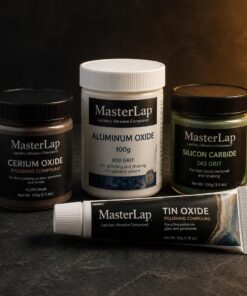
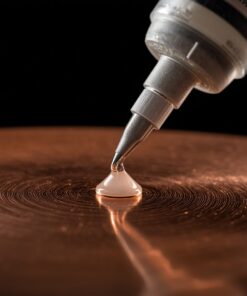
Aluminum Oxide Powder 100g — High-Purity Lapidary Abrasive and Pre-Polish Compound
Polishing Supplies
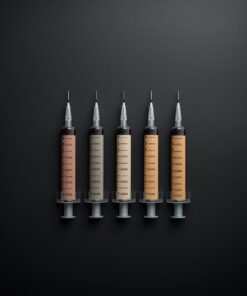
Diamond Paste 5g Syringe — Monocrystalline Polishing Compound for Lapidary and Precision Finishing
Polishing Supplies
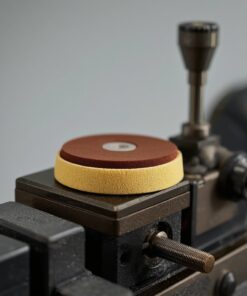
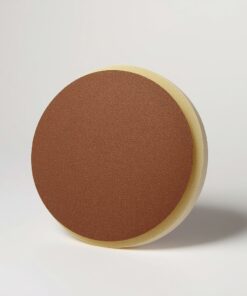
Leather Polishing Pads for Lapidary — Professional Gem Finishing Laps for Faceting Machines
Polishing Supplies
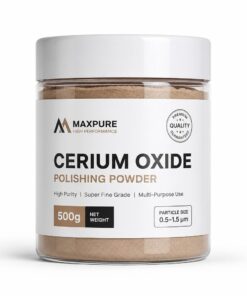
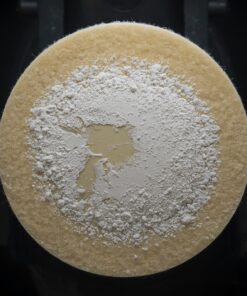
Cerium Oxide 100g — High-Purity Lapidary Polishing Powder for Gemstones and Glass
Reviews
There are no reviews yet.