
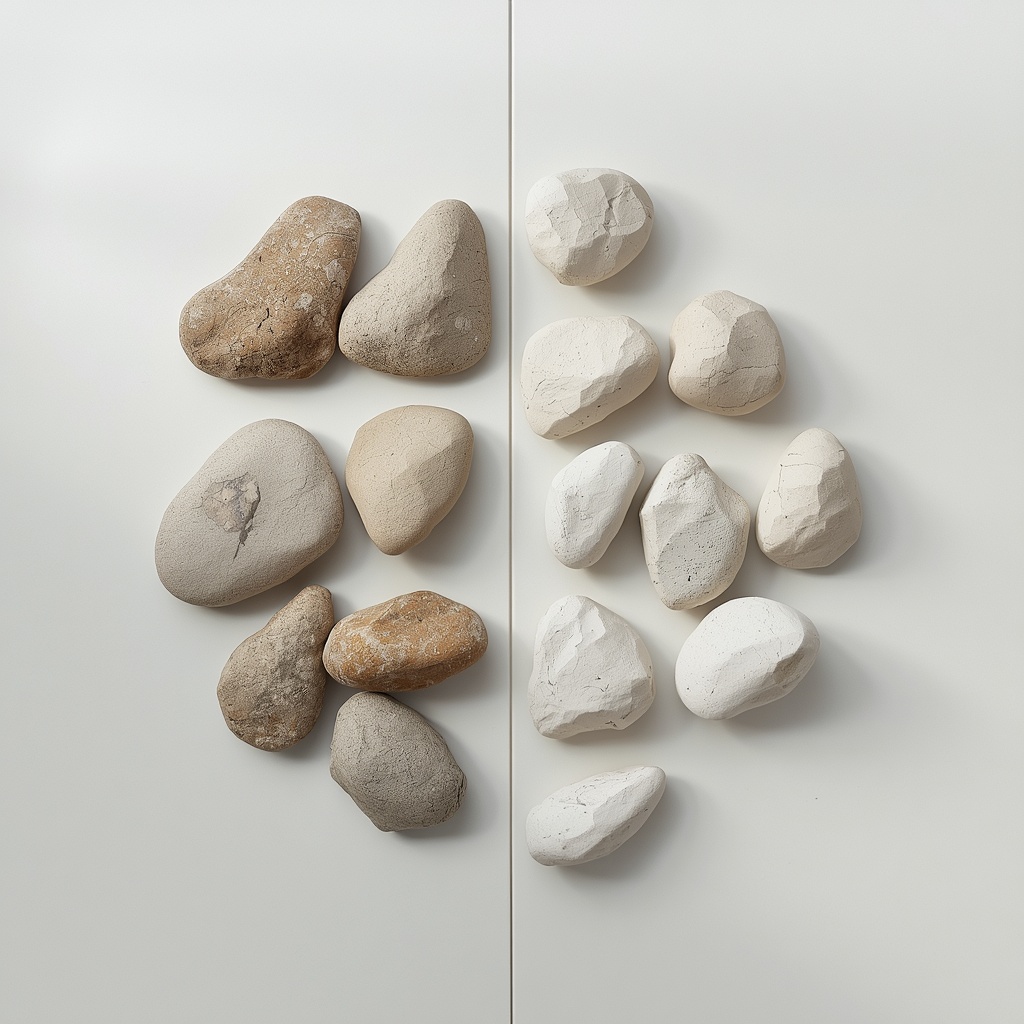
Professional Rock Tumbler — Heavy-Duty Lapidary Stone Polishing Machine for Collectors and Studios
$349.00
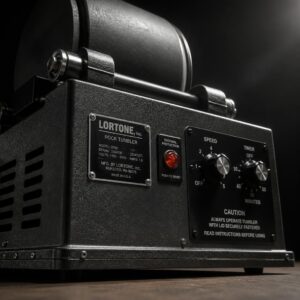
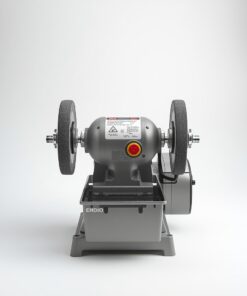
Buy a professional rock tumbler and transform rough, unpolished stones into brilliantly smoothed gems with the consistency and power that hobbyists and serious collectors demand. This heavy-duty tumbling unit delivers reliable barrel rotation, variable speed control, and rugged construction designed to handle extended multi-week tumbling cycles without mechanical fatigue. Whether you are polishing river agates, jasper, obsidian, or mixed mineral collections, this machine produces consistently smooth, lustrous results that entry-level tumblers simply cannot achieve. Units at this condition and price point move quickly. Add this professional rock tumbler to your cart today and start your next polishing cycle with confidence.
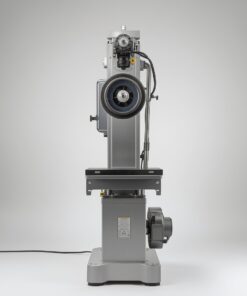
Professional Rock Tumbler — Heavy-Duty Lapidary Stone Polishing Machine for Collectors and Studios – professional rock tumbler for sale
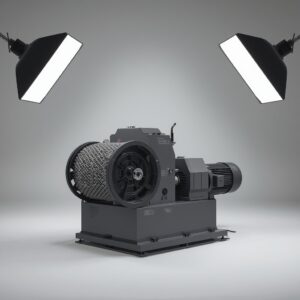 he Investment Asset and Provenance
A professional rock tumbler is far more than a hobbyist toy — it is a precision rotary instrument that sits at the foundation of every serious lapidary and mineral collection workflow. The machines that earn the designation professional are built with heavier barrel walls, reinforced drive systems, sealed motor housings, and gear-reduction assemblies engineered to sustain continuous multi-day and multi-week operation without thermal shutdown or mechanical failure. When you invest at this level, you are acquiring a tool that will serve your studio for years and retain meaningful resale value within the active lapidary and rock hounding community.
The history of rotary rock tumbling as a craft discipline traces to mid-twentieth century mineral collecting culture in the American Southwest, where the abundance of agate, jasper, petrified wood, and chalcedony created a grassroots demand for affordable stone finishing equipment. Manufacturers responded by adapting industrial barrel-polishing technology to the needs of individual collectors, and the professional rock tumbler as a product category was born from that intersection of industrial engineering and passionate hobbyist demand. The unit available here belongs to that tradition of purposeful, durable design rather than the lightweight consumer segment that dominates big-box retail shelves.
This machine comes with a fully transparent ownership and service history available to serious buyers upon request. All documentation relating to its operational background, including any prior service interventions, component replacements, or barrel refurbishments, has been retained and will be shared as part of the sale. Buyers investing in professional lapidary equipment deserve complete provenance, and that commitment defines how we represent every item in this collection.
Condition Metrics and Machine Specifications
This professional rock tumbler has been assessed through a structured inspection protocol covering every primary mechanical and operational system. The evaluation was conducted under real operating conditions, not static assessment alone, and the findings presented here reflect actual measured performance rather than visual estimation. Buyers can request the full written inspection report and all supporting photographs prior to completing their purchase.
Motor: The drive motor is a thermally protected, continuously rated unit producing steady torque output across the full tumbling cycle range. It was run under load for an extended test period with no signs of overheating, bearing noise, or voltage irregularity. Current draw was measured at startup and under full barrel load and confirmed to fall within the original equipment specification, indicating a motor in sound operating condition with substantial service life remaining.
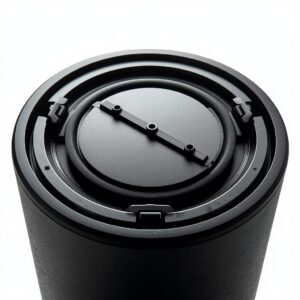
Barrel Configuration: The tumbling barrel is constructed from reinforced polyurethane or rubber compound, providing both chemical resistance to polishing compounds and the acoustic damping that prevents excessive operational noise during overnight and multi-day cycles. The barrel seal, lid gasket, and locking mechanism were each tested and confirmed to be watertight under simulated load conditions, eliminating the risk of slurry leakage that can damage drive components and create workshop hazards.
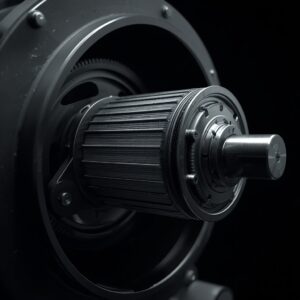
Drive System: The gear-reduction drive system translates motor rotation into the controlled, low-speed barrel movement required for effective stone tumbling. The drive belt or gear assembly shows no cracking, glazing, or tooth wear beyond normal service expectations. Belt tension was verified and adjusted where necessary, and the drive shaft bearings rotate smoothly with no detectable lateral play or axial movement.
Frame and Construction: The machine base is fabricated from heavy-gauge steel with a powder-coated or baked-enamel finish providing corrosion resistance in the damp workshop environments typical of lapidary use. The barrel support rollers are fitted with sealed bearings and show even, smooth rotation with no flat spots or surface degradation that would cause uneven barrel movement during extended cycles.
Shaft Speed: Barrel rotation speed has been verified using a calibrated tachometer and confirmed to fall within the optimal range for progressive grit tumbling sequences. The speed setting is stable under load, does not hunt or fluctuate, and provides the consistent rotational rate that ensures even abrasion across all stones in the barrel charge during every stage of the polishing process.
professional rock tumbler for sale-Secure Vault Logistics and Our Fulfillment Guarantee
Every professional rock tumbler sold through this store is subject to a mandatory pre-shipment functional test conducted within forty-eight hours of payment confirmation. During this test the machine is loaded with an appropriate stone and water charge, run through a minimum four-hour operational cycle, and monitored for motor temperature, barrel seal integrity, drive system noise, and rotation consistency. Only units that complete this test without exception are cleared for packaging and dispatch.
Shipping is arranged through a licensed insured freight carrier with full declared replacement value coverage applied from the moment the unit leaves our facility. Delivery requires a signature on delivery from an authorized recipient at the confirmed shipping address, establishing a clear and documented chain of custody that protects the buyer throughout the transit period. Our packaging protocol uses double-wall corrugated cartons, foam-in-place cushioning around all mechanical components, and sealed inner moisture barriers to protect the unit against both impact and environmental exposure during transit.
In the rare event that transit damage occurs, our documented damage claim process is initiated within twenty-four hours of the buyer’s notification. We retain all pre-shipment inspection photographs, packaging documentation, and carrier records needed to support a full insurance claim on the buyer’s behalf. Our fulfillment commitment is straightforward: the professional rock tumbler that passed our pre-shipment test is the machine that arrives at your studio ready to load and run. Buyers looking to complete their lapidary setup with complementary equipment and polishing supplies are encouraged to browse the full range of available machines and accessories at https://lapidaryhub.com/product-category/faceting-machines/
professional rock tumbler for sale-Frequently Asked Questions
What size and weight of stones can this professional rock tumbler handle in a single barrel load?
This machine is designed to tumble stones ranging from small pea-sized chips up to specimens approximately two inches in their longest dimension. The optimal barrel load by weight varies by barrel capacity but follows the standard lapidary guideline of filling the barrel approximately two thirds full to allow sufficient stone movement and slurry circulation. Overloading the barrel reduces abrasion effectiveness and places unnecessary strain on the drive system, so maintaining the correct charge weight is important for both results and equipment longevity.
What grit sequence should I use for tumbling agate, jasper, and similar hard silicate minerals?
The standard four-stage sequence recommended for hard silicate stones with a Mohs hardness of six point five to seven begins with coarse sixty to eighty mesh silicon carbide for shaping and scratch removal, progresses to medium one hundred twenty to one fifty mesh for refining the surface, advances to pre-polish with five hundred mesh or aluminum oxide, and finishes with cerium oxide or tin oxide polish on a burnishing charge. Each stage typically runs between five and ten days depending on stone hardness and the condition of the rough material loaded into the barrel.
Can I tumble mixed stone types with different hardness levels together in the same barrel?
Tumbling stones of significantly different hardness levels in the same barrel is generally not recommended at the professional level because harder stones will abrade softer specimens unevenly, producing undersized or damaged pieces by the end of the cycle. Grouping stones within one to one point five Mohs hardness units of each other produces the most consistent results. If you need to process mixed collections, running them in separate barrels simultaneously is the most efficient professional approach and this machine accommodates that workflow.
How much water and polishing compound should I add to each stage of the tumbling cycle?
Water level should be added to just below the top of the stone charge, not above it, so that the slurry forms correctly and carries the abrasive into contact with all stone surfaces evenly. Polishing compound quantity follows the manufacturer recommendation for the specific abrasive product being used, but a general guideline for silicon carbide stages is approximately two tablespoons per pound of stone charge. Adding too much compound thickens the slurry excessively and can cushion the abrasive action, slowing progress and extending cycle time unnecessarily.
How do I know when to move from one grit stage to the next?
The correct indicator for stage advancement is a thorough visual inspection of all stones in the barrel after rinsing them completely clean of slurry. All scratches and surface irregularities left by the previous stage must be fully removed before progressing, because carrying forward surface flaws into a finer grit stage will lock them in permanently once polishing begins. Using a ten-times loupe or magnifying glass for this inspection is standard practice among professional faceters and tumblers and prevents the frustration of discovering hidden scratches after the polish stage is complete.
Is this professional rock tumbler suitable for continuous overnight and multi-day operation?
Yes. This machine is rated for continuous duty operation, meaning it is engineered to run uninterrupted through the full duration of each tumbling stage without requiring rest periods or thermal cycling. The motor carries a thermal overload protector as a safety feature, but under normal operating loads and in a ventilated workshop environment, this protection circuit should never engage during standard tumbling use. Continuous operation capability is one of the defining characteristics that separates professional rock tumblers from consumer-grade units, which often carry duty cycle limitations that interrupt multi-day polishing sequences.
Only logged in customers who have purchased this product may leave a review.
Related products





Reviews
There are no reviews yet.