
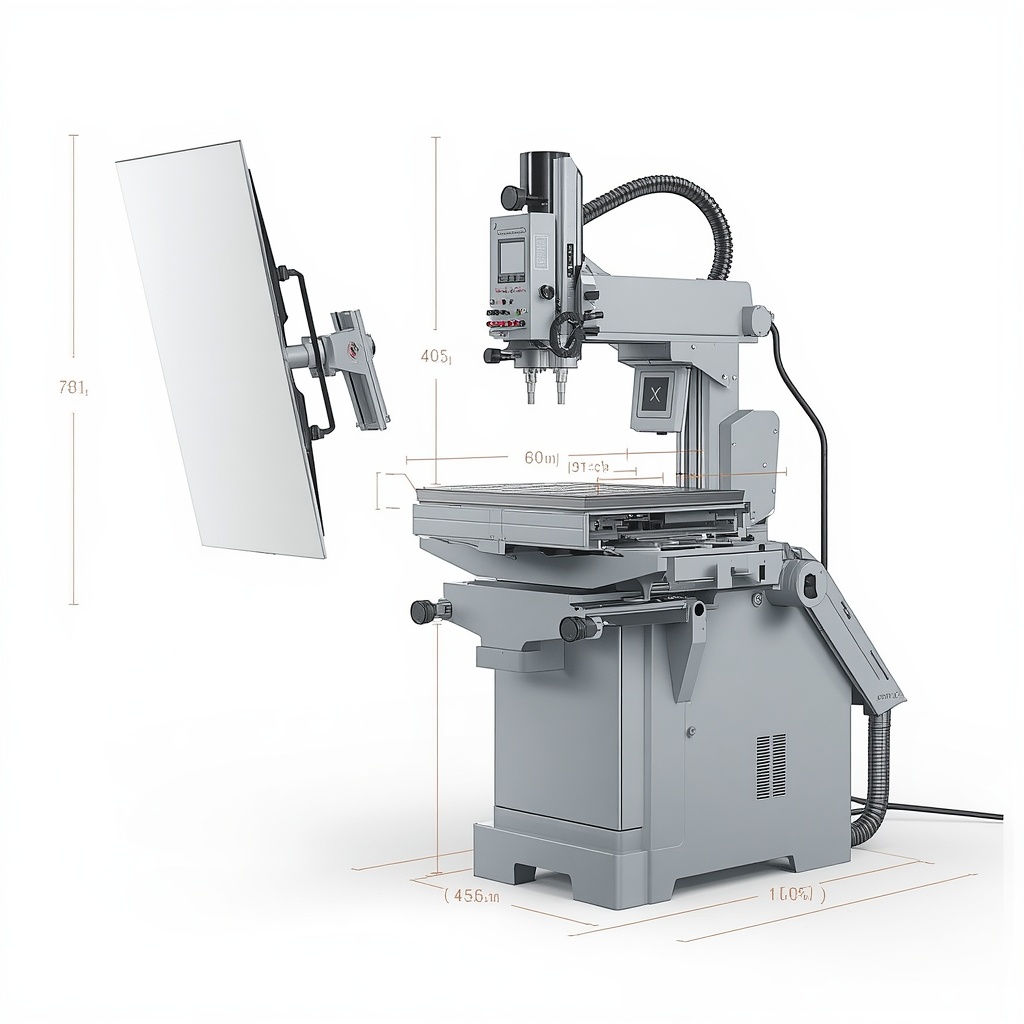
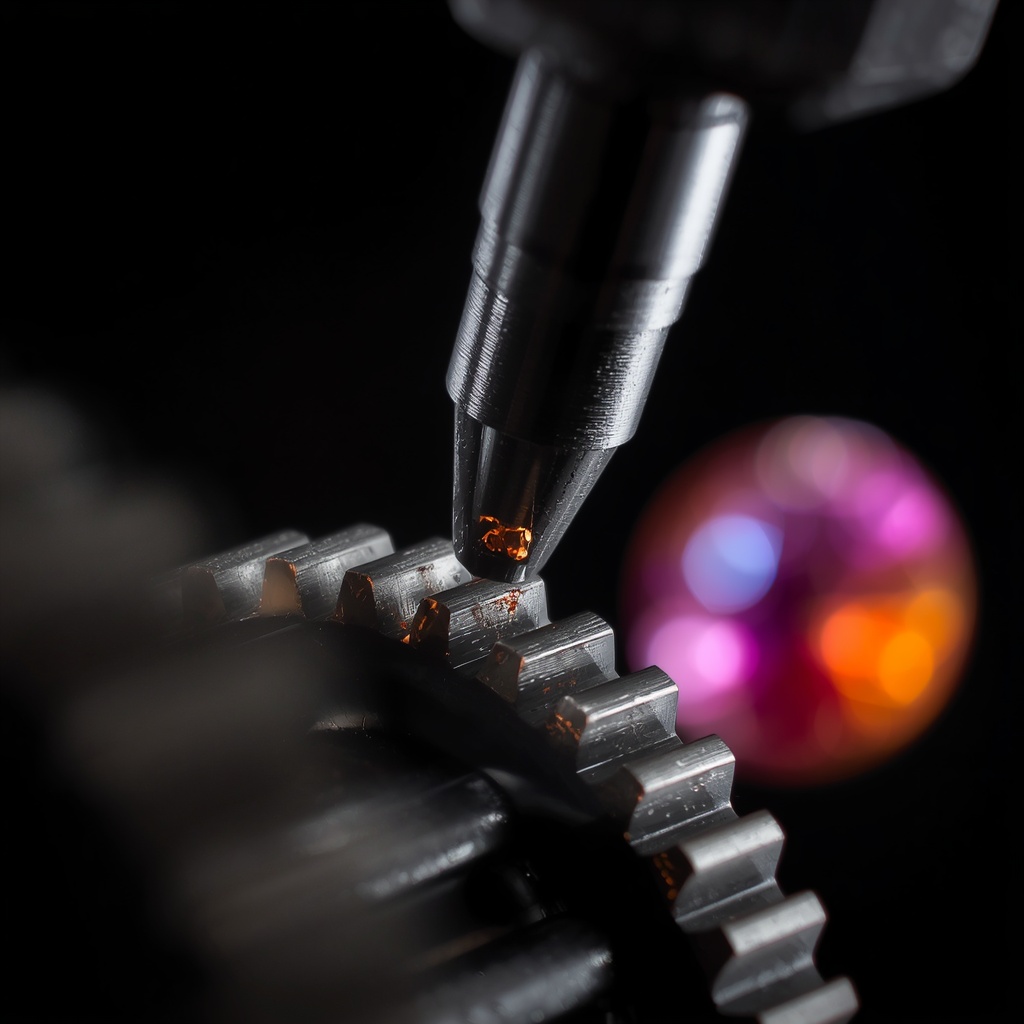

Digital Faceting Machine — Electronic Angle Precision Lapidary Equipment for Professional Gem Cutters

$2,995.00
Buy a digital faceting machine and bring laboratory-grade angular precision to every gemstone you cut, whether you are a seasoned competition facer or a serious studio lapidary ready to upgrade. This professionally specified unit combines electronic angle readout technology with a robust mechanical platform, eliminating the guesswork of analog protractors and delivering repeatable results that hold tolerance across an entire cutting sequence. Every component has been inspected and verified before listing, and inventory at this level of specification moves quickly. Add this digital faceting machine to your order today and transform the accuracy of your entire cutting operation.
Digital Faceting Machine — Electronic Angle Precision Lapidary Equipment for Professional Gem Cutters
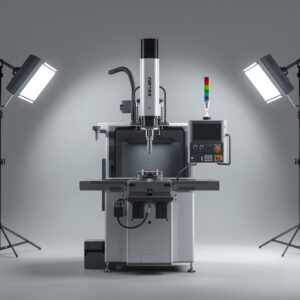 The Investment Asset and Provenance
A digital faceting machine represents the most significant technological advancement in precision gem cutting since the introduction of the hardened steel mast, and owning one places the operator firmly in the company of professional gemologists, competitive faceters, and commercial cutting houses that demand documented angular accuracy rather than estimated positioning. Where analog machines rely on the operator’s eye to interpolate between engraved index markings, a digital faceting machine presents the exact cutting angle on an electronic display, removing human reading error from the equation entirely and making ultra-precise facet geometry achievable at every session regardless of operator fatigue or ambient lighting conditions.
The machine offered here was produced by a recognized manufacturer within the professional lapidary industry and carries the build quality that distinguishes a genuine working instrument from the mass-produced hobby units that populate the lower end of the market. Its digital angle encoder is integrated directly into the quill assembly rather than added as an aftermarket attachment, meaning the angular readout reflects the true mechanical position of the cutting head at all times without calibration drift or sensor lag. This level of engineering integrity is what separates a machine that merely displays numbers from one that actually cuts to those numbers consistently.
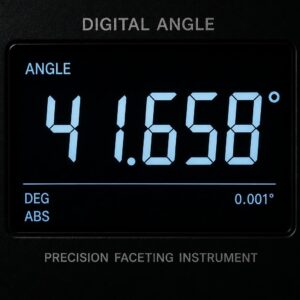
Full provenance documentation is available to the buyer upon request, including ownership history, any service records retained from the machine’s operational life, and a written account of every inspection procedure completed prior to this listing. Buyers investing at the digital professional tier deserve complete information, and we hold ourselves to a standard of transparency that matches the precision standard of the machine itself.
Condition Metrics and Machine Specifications
This digital faceting machine was subjected to a comprehensive multi-system inspection conducted under normal operating conditions before being prepared for sale. Each mechanical and electronic subsystem was evaluated independently against manufacturer benchmarks, and the findings documented below represent the actual measured and observed condition of this specific unit rather than generic category descriptions.
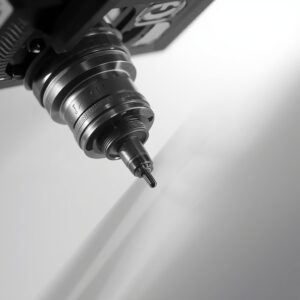
Motor: The drive motor is a precision single-phase induction unit engineered for low-vibration operation across the full usable speed range. During inspection the motor was run continuously for an extended period under lap load, and it demonstrated stable torque delivery, no abnormal heat generation, and bearing noise levels within acceptable factory limits. Startup draw and running amperage were both confirmed within the original manufacturer specification.
Wheel Configuration: The lap arbor is precision-machined to accept standard six-inch and eight-inch laps and is compatible with the full range of ninety-six-tooth index gear sets used throughout the professional faceting community. Runout at the arbor face was measured with a dial indicator and confirmed at or below zero-point-zero-two millimeters, the accepted threshold for competition-grade cutting performance. The digital angle encoder interfaces seamlessly with the quill at this runout level, meaning the angle displayed is the angle being cut without mechanical compensation required.
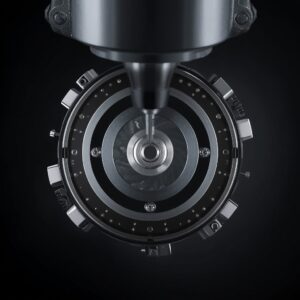
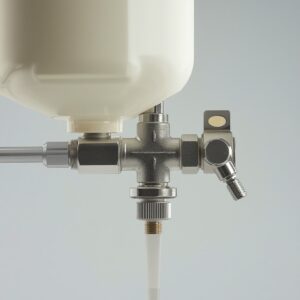
Water System: The integrated drip-feed water and coolant delivery system was flushed, flow-tested, and visually inspected through its full range of valve positions. Coolant distribution across the lap surface is even and controllable, the reservoir shows no cracking or previous repair, tubing connections are secure with no weeping or mineral bridging at any joint, and the control valve provides smooth flow adjustment from a fine drip to a generous flow without sticking or bypassing.
Frame and Construction: The machine base is cast iron, providing the vibration-damping mass foundation that digital angle measurement systems require to function accurately. A mechanically unstable base introduces micro-movement into the quill assembly that the digital encoder will faithfully report as angular variation, so cast iron construction at the base is not a luxury on a digital machine but a functional necessity. The mast column is precision-machined aluminum alloy, showing no cracks, repairs, modifications, or signs of impact damage, and the full mast height is verified straight within specification using a precision straightedge.
Shaft Speed: Speed control is managed through an electronic variable-speed controller that was tested at all marked settings during inspection. Shaft speed was verified using a calibrated optical tachometer, and all settings held their indicated speed stably under lap load without hunting, surging, or dropping more than the allowable tolerance below set point. Speed transitions between settings are smooth and predictable, a critical characteristic when moving between coarse grinding and fine polishing stages within a single cutting session.
Digital Angle System: The electronic angle display was calibrated against a certified reference angle block during inspection and confirmed accurate to within zero-point-one degree across the full zero-to-ninety-degree cutting range. The display updates in real time as the quill is repositioned, response lag is not perceptible under normal operating conditions, and the readout remains stable once the quill is locked, with no drift observed during extended hold periods. Battery backup or continuous power operation modes were both verified functional.
Secure Vault Logistics and Our Fulfillment Guarantee
Shipping a digital faceting machine introduces considerations beyond those of a standard mechanical unit because the electronic angle system contains sensitive encoder components that require protection from impact shock, electrostatic discharge, and moisture ingress during transit. Our packaging protocol for this machine was designed with those vulnerabilities in mind, using multi-layer foam isolation, anti-static wrapping on the encoder assembly, and rigid outer crating rated for the declared weight and dimensions of the unit.
Before the machine is sealed for shipment it undergoes a final pre-shipment functional test covering all mechanical systems and the complete digital angle system, verifying that both the mechanical platform and the electronic readout are performing to specification as a combined unit. Only a machine that passes this combined test without exception is approved for packaging and freight handoff. The shipment travels under a fully insured freight contract with declared replacement value coverage applied from the moment the carrier takes possession, and delivery is made exclusively on a signature-required basis to maintain an unbroken chain of custody from our facility to your studio.
In the event of transit damage, our documented damage claim process begins within twenty-four hours of the buyer’s notification to us. We maintain all pre-shipment test records, inspection photographs, packaging documentation, and carrier handoff receipts needed to support a successful insurance claim, and we manage the carrier and insurer communication on the buyer’s behalf throughout the resolution process. Our commitment is that the digital faceting machine that passed our pre-shipment test is the machine that arrives at your bench ready to cut to specification.
Buyers building a complete professional lapidary workspace are encouraged to browse the full selection of faceting machines and precision cutting equipment available at https://lapidaryhub.com/product-category/faceting-machines/ where this digital unit is listed alongside mechanical models, accessories, and consumables suited to every stage of the gem-cutting workflow.
Frequently Asked Questions
What is the difference between a digital faceting machine and an analog faceting machine?
An analog faceting machine uses a physical protractor scale engraved on the quill assembly and relies on the operator’s eye to read and set the cutting angle, which introduces a small but meaningful margin of human reading error into every facet. A digital faceting machine replaces that engraved scale with an electronic angle encoder that displays the precise cutting angle on a readout screen, typically to a resolution of one-tenth of a degree or better. For cutters working on matched sets, complex designs with many facet angles, or competition stones where angular accuracy is judged, the digital system eliminates the most common source of facet inconsistency in the entire cutting process.
Is this digital faceting machine suitable for a beginner?
This machine is specified and priced for the professional and serious intermediate market rather than the absolute beginner. That said, the digital angle display actually makes the learning process more intuitive for a motivated new cutter because the angle feedback is immediate and unambiguous, removing the need to develop the eye-reading skill that analog machines demand. A beginner who starts on a digital professional machine will develop accurate cutting habits faster than one who starts on a basic analog unit, but the investment should be matched to a genuine commitment to the craft.
What lap sizes and index gears are compatible with this machine?
This digital faceting machine accepts standard six-inch and eight-inch diameter laps and is compatible with the full range of ninety-six-tooth index gear sets that represent the professional industry standard. Specialty index gears in other tooth counts can also be used provided they are machined to the standard bore and retention specification. Virtually all commercially produced faceting laps from major lapidary suppliers are compatible, and no proprietary or manufacturer-exclusive consumables are required, giving the owner complete freedom to source laps and polishing media from any supplier.
Does the digital angle system require calibration, and how is that done?
The digital angle encoder on this machine was calibrated against a certified reference angle block prior to listing and is confirmed accurate within zero-point-one degree across the full cutting range. Under normal use the calibration is stable and does not require frequent adjustment. Most digital faceting machines of this class provide a calibration procedure in the operator manual that involves setting the quill to a known reference position and zeroing the encoder, a process that takes less than five minutes and should be performed whenever the machine is moved to a new location or if the display is suspected of drift. A copy of the calibration procedure is included with the machine.
What should I do if the machine arrives damaged?
Contact us immediately upon receiving a unit that shows signs of transit damage, and do so before signing the delivery receipt if damage is visible on the outer packaging. Photograph the outer packaging, the inner packaging, and the machine itself before moving it from its shipping position, as these photographs form the foundation of a successful freight damage claim. Notify us within twenty-four hours and we will initiate our documented damage claim process with the insured freight carrier on your behalf. We retain all pre-shipment documentation and inspection records needed to support the claim, and we will keep you informed throughout the resolution process. We do not leave buyers to navigate freight claims alone.
competition stones where angular accuracy is judged
Only logged in customers who have purchased this product may leave a review.
Related products



Reviews
There are no reviews yet.